About Cork
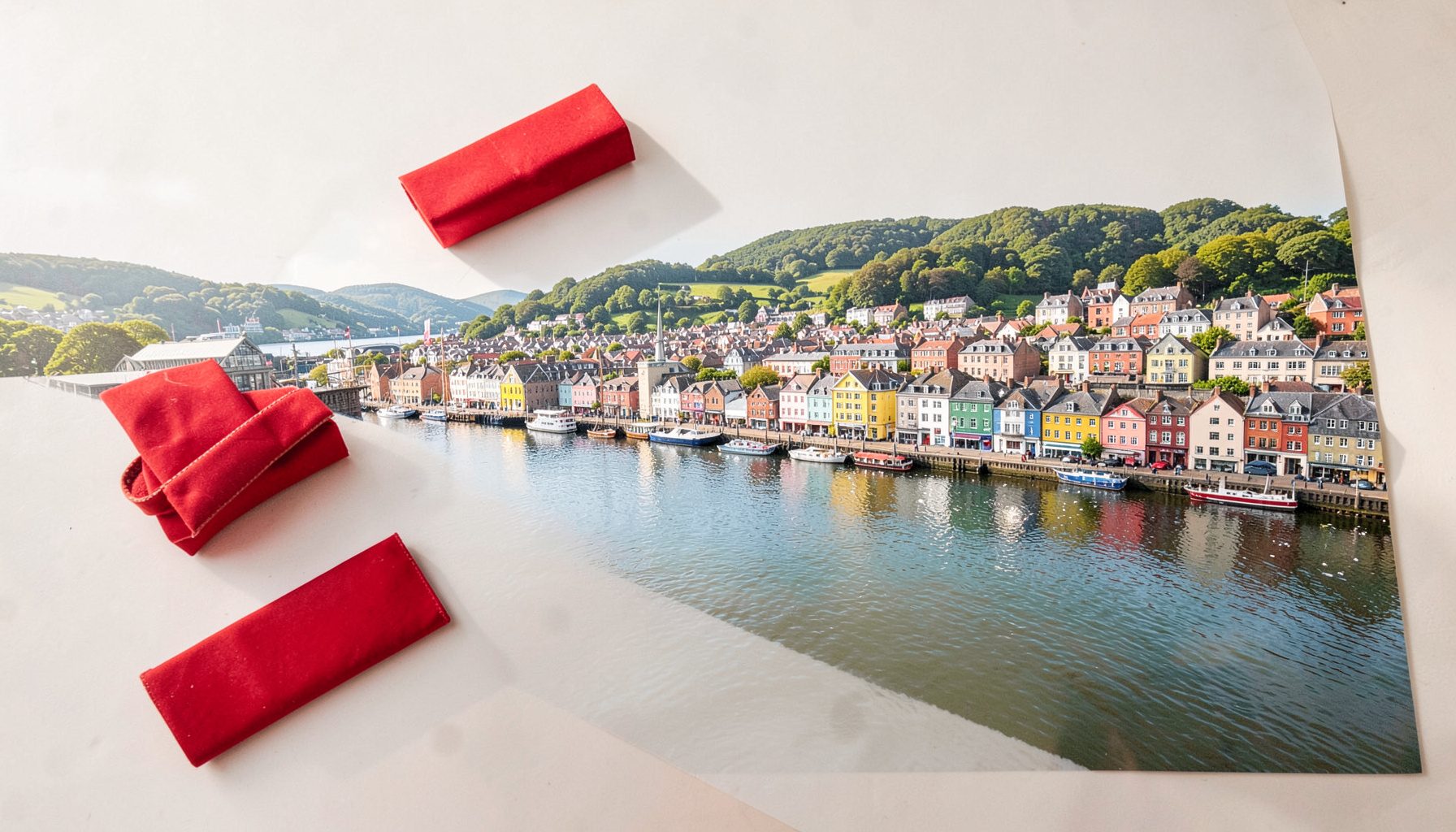
Cork has been voted Europe's third-friendliest city and, according to the Lonely Planet, "Everything good about Ireland can be found in County Cork." The city sits on the River Lee, which splits into two channels, giving the centre a distinctive island feel.
As Ireland's second-largest city, Cork blends a rich maritime heritage with a vibrant contemporary culture. Its compact, walkable centre is filled with independent shops, galleries, cafés, and historic landmarks — making it an inviting destination for conference delegates.
Cork's location on the River Lee has shaped its character for centuries, with the city's island-like core creating a series of charming bridges and waterways that invite exploration. For conference delegates attending EASR 2022, this compact setting means that the university campus, historic landmarks, and cultural venues are all within easy walking distance. The city's maritime heritage is visible at every turn, from the bustling English Market to the elegant Victorian architecture that lines the quays. This walkable, welcoming atmosphere makes Cork an ideal place for the kind of informal scholarly exchange that enriches any academic gathering.
County Cork's wider landscape offers a remarkable diversity of natural beauty that complements the conference experience. From the rugged Atlantic coastline with its dramatic cliffs and sandy beaches to the rolling green hills of the inland countryside, the region provides ample opportunity for relaxation and reflection between sessions. The area's deep history is written into its ancient monastic sites, castle ruins, and stone circles, which speak to centuries of religious and cultural life on this island. These surroundings offer delegates a chance to connect with the rich tapestry of traditions that have shaped Irish identity.
Cork's reputation for warmth and hospitality is deeply rooted in local culture, with the traditional Irish greeting céad míle fáilte — a hundred thousand welcomes — taken seriously by residents. The city's thriving food scene, live music traditions, and festival calendar create an atmosphere of genuine conviviality that extends naturally to academic visitors. For scholars of religion, this vibrant setting provides a living context for exploring themes of community, tradition, and cultural exchange. The interplay between Cork's historic character and its contemporary energy mirrors the conference's own aim of fostering dialogue across diverse scholarly perspectives.
Facts About Cork
Natural Harbour
Cork is home to the second-largest natural harbour in the world, a vast sheltered waterway that has shaped the region's history and trade for centuries.
Oldest Yacht Club
The Royal Cork Yacht Club, founded in 1720, is the oldest yacht club in the world and remains active on the shores of Cork Harbour.
Titanic's Last Port
The nearby town of Cobh (formerly Queenstown) was the final port of call for the RMS Titanic before its fateful Atlantic crossing in April 1912.
Exploring the City
Cork's character is defined by its lively food scene, historic English Market, and a calendar of festivals spanning jazz, film, and literature. The city's hilly streets reward walkers with views of St. Anne's Church (Shandon Bells) and the River Lee's quays. For those with extra time, the rugged coastline of West Cork and the colourful harbour town of Kinsale lie within easy reach.