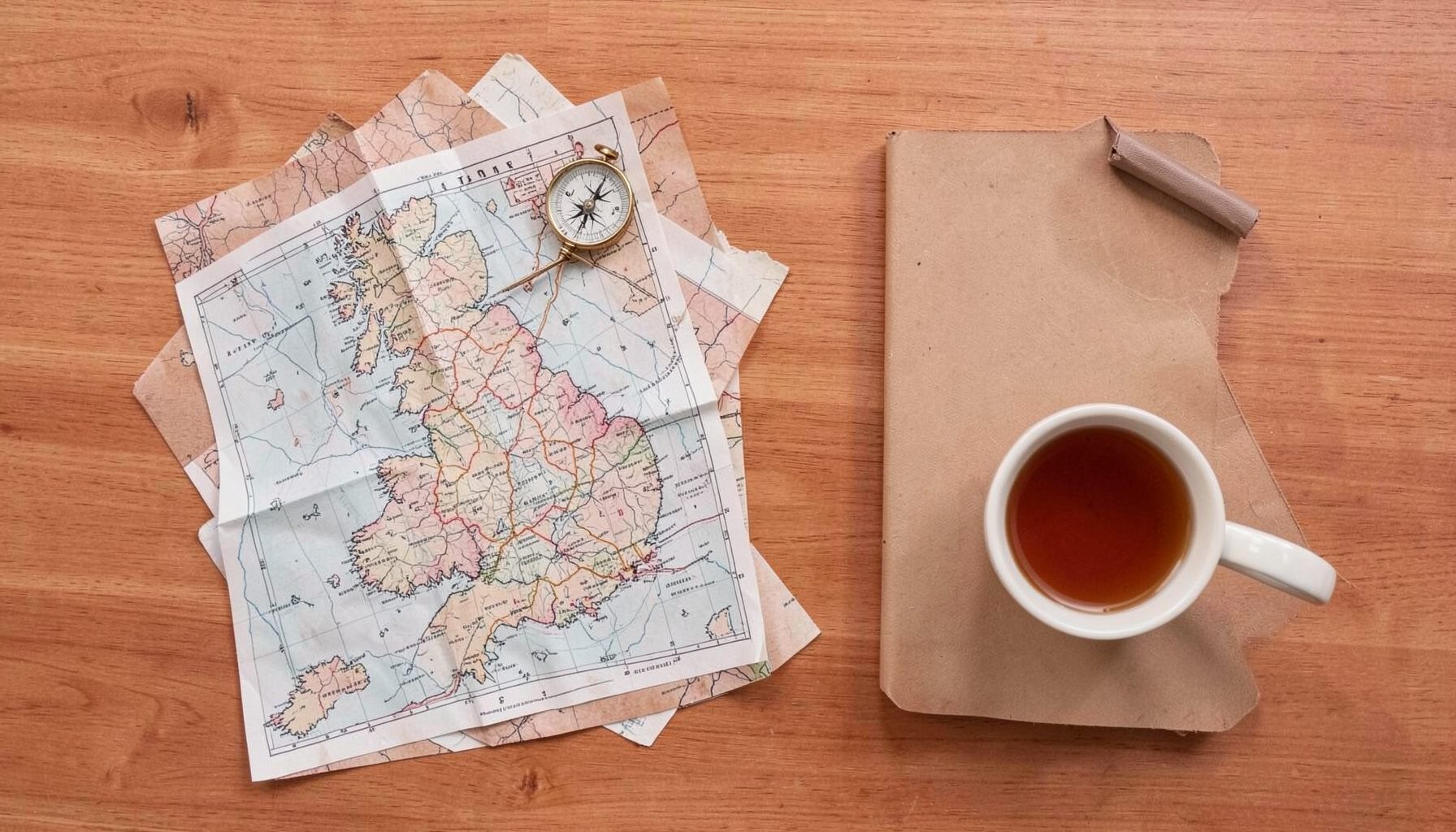
Delegates attending EASR 2022 at University College Cork found plenty to explore beyond the conference programme. Cork city and its surroundings offered a rich mix of culture, history, and natural beauty — from the university's own architectural treasures to the rugged coastline of the Wild Atlantic Way.
On Campus at UCC
The UCC campus itself was a destination worth exploring. Delegates could visit several notable sites between sessions or during breaks.
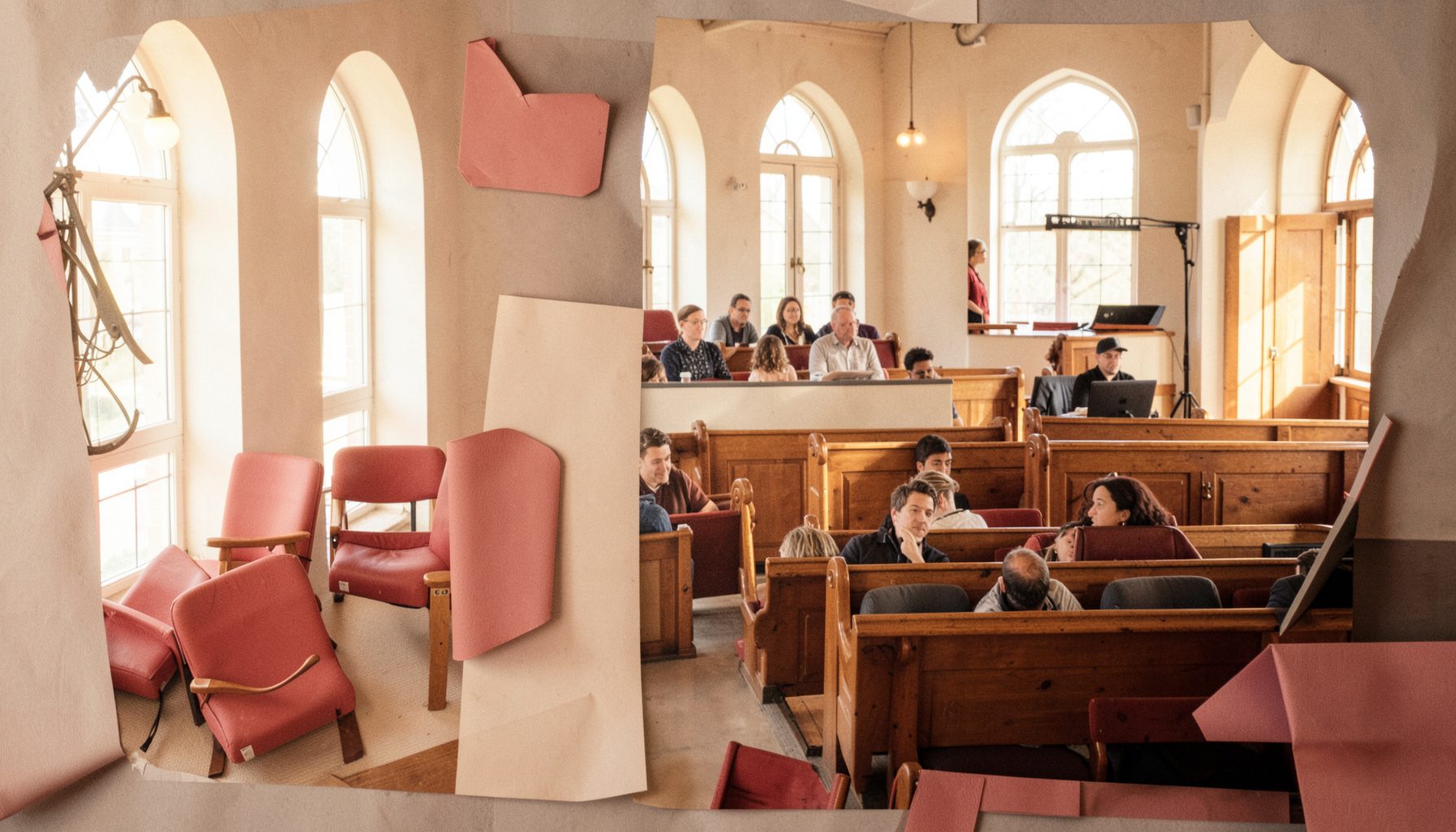
Lewis Glucksman Gallery
An award-winning contemporary art gallery set in the leafy grounds of UCC, hosting rotating exhibitions and cultural events.
Visit the Glucksman Gallery →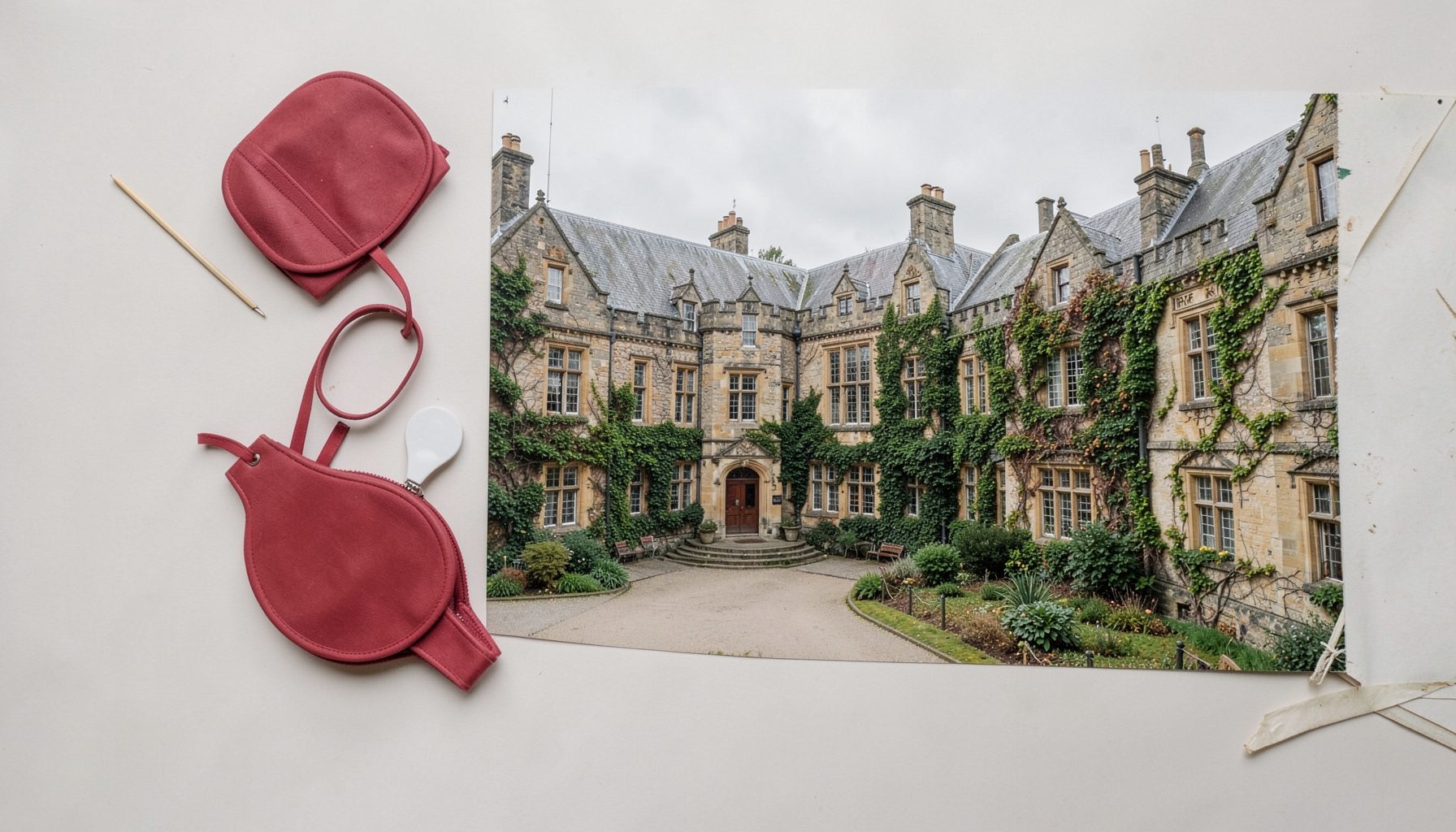
President's Garden
A tranquil walled garden on campus, ideal for a quiet stroll or a moment of reflection away from the conference schedule.
Explore the President's Garden →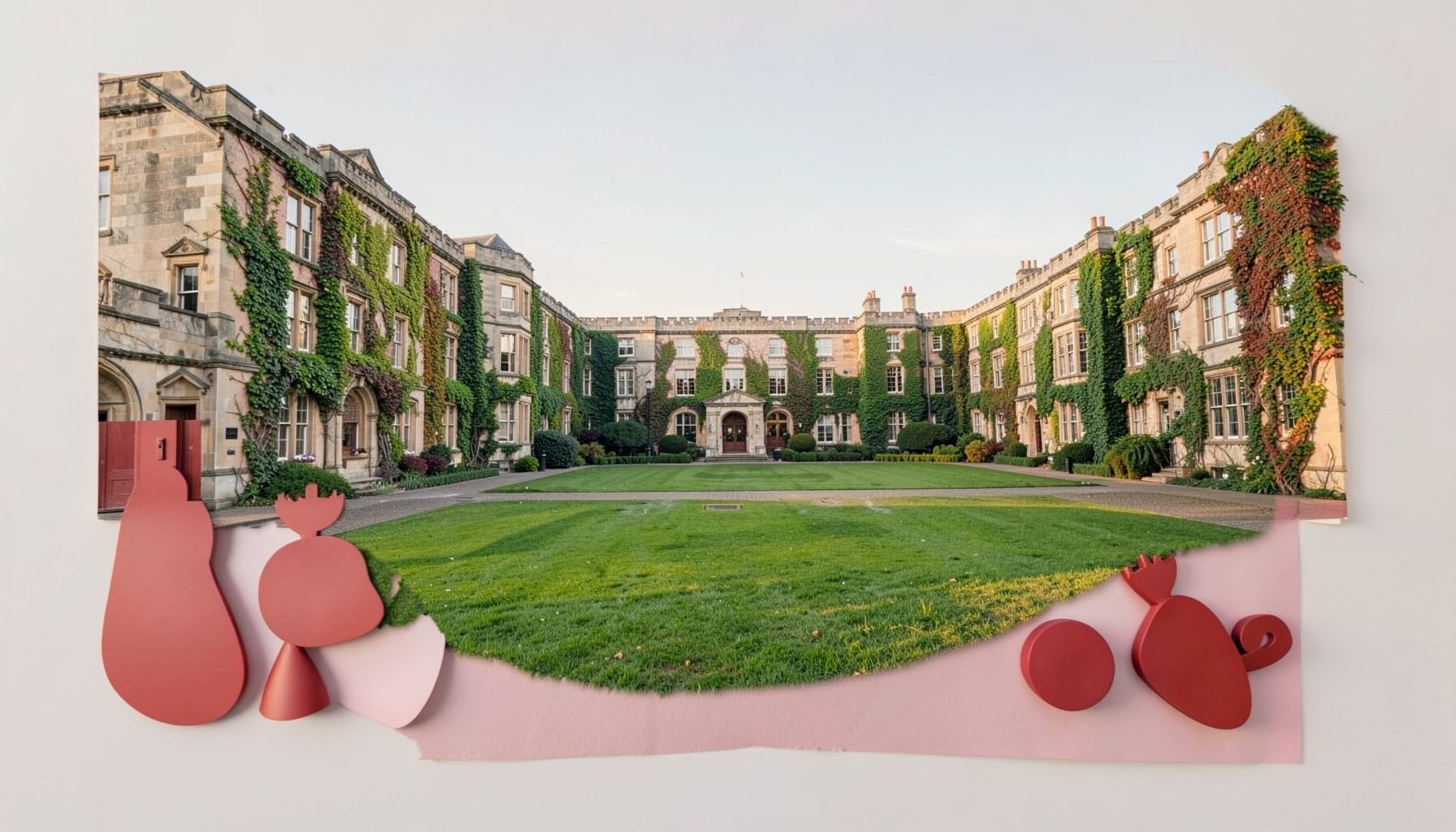
Stone Corridor
A striking feature of UCC's main quadrangle, the Stone Corridor is lined with Ogham stones — one of the largest collections of early Irish inscribed stones on public display.
Walk the Stone Corridor →
Crawford Observatory
A restored 19th-century observatory on the UCC campus, housing historic astronomical instruments and offering a glimpse into Ireland's scientific heritage.
Discover the Crawford Observatory →Audio tours were available through the UCC Visitors' Centre, providing self-guided walks around the campus and its historic landmarks.
The European Association for the Study of Religions brings together scholars from across Europe and beyond to foster rigorous, non-confessional research into the world's religious traditions. The EASR conference provides a vital forum where academics share new findings, debate methodologies, and build collaborative networks that transcend national boundaries. By prioritising critical inquiry over advocacy, the association upholds the highest standards of religious studies scholarship. Each annual gathering reflects the diversity of approaches within the field, from historical and textual analysis to ethnographic fieldwork and theoretical reflection. The 2022 meeting in Cork continued this tradition, offering participants a welcoming environment for intellectual exchange and professional development.
University College Cork provided an inspiring setting for the conference, with its historic campus blending Victorian architecture with modern facilities. Delegates moved easily between lecture halls, seminar rooms, and informal gathering spaces that encouraged both formal presentations and spontaneous conversation. The university's long tradition of humanities scholarship made it a fitting host for an international academic gathering. Beyond the scheduled sessions, the campus itself invited exploration, with its quadrangles, gardens, and cultural venues offering moments of quiet reflection between the intensity of conference programming. The surrounding city of Cork added its own character, with a lively food scene, traditional music, and welcoming atmosphere.
The conference programme addressed a wide range of topics within the study of religions, reflecting the field's growing interdisciplinary reach. Panels explored everything from ancient religious texts and archaeological findings to contemporary spirituality, secularism, and the intersection of religion with politics, ecology, and digital culture. This breadth of coverage allowed attendees to encounter perspectives well beyond their own specialisations. Thematic streams gave coherence to the programme while still accommodating the diverse interests of participants. Roundtable discussions and plenary sessions offered opportunities for collective reflection on the state of the field, encouraging dialogue between established scholars and early-career researchers alike.
Beyond the academic programme, delegates discovered the natural and cultural riches of County Cork and the wider region. The celebrated coastline of the Wild Atlantic Way offered dramatic landscapes that contrasted with the urban comforts of the city. Historic sites, from medieval castles to monastic ruins, provided tangible connections to the deep religious history of the island. Many participants took advantage of the conference timing to explore further afield, experiencing Ireland's renowned hospitality and cultural traditions. These informal experiences enriched the conference itself, as shared excursions and meals fostered the kind of personal connections that sustain scholarly communities long after the formal proceedings have concluded.
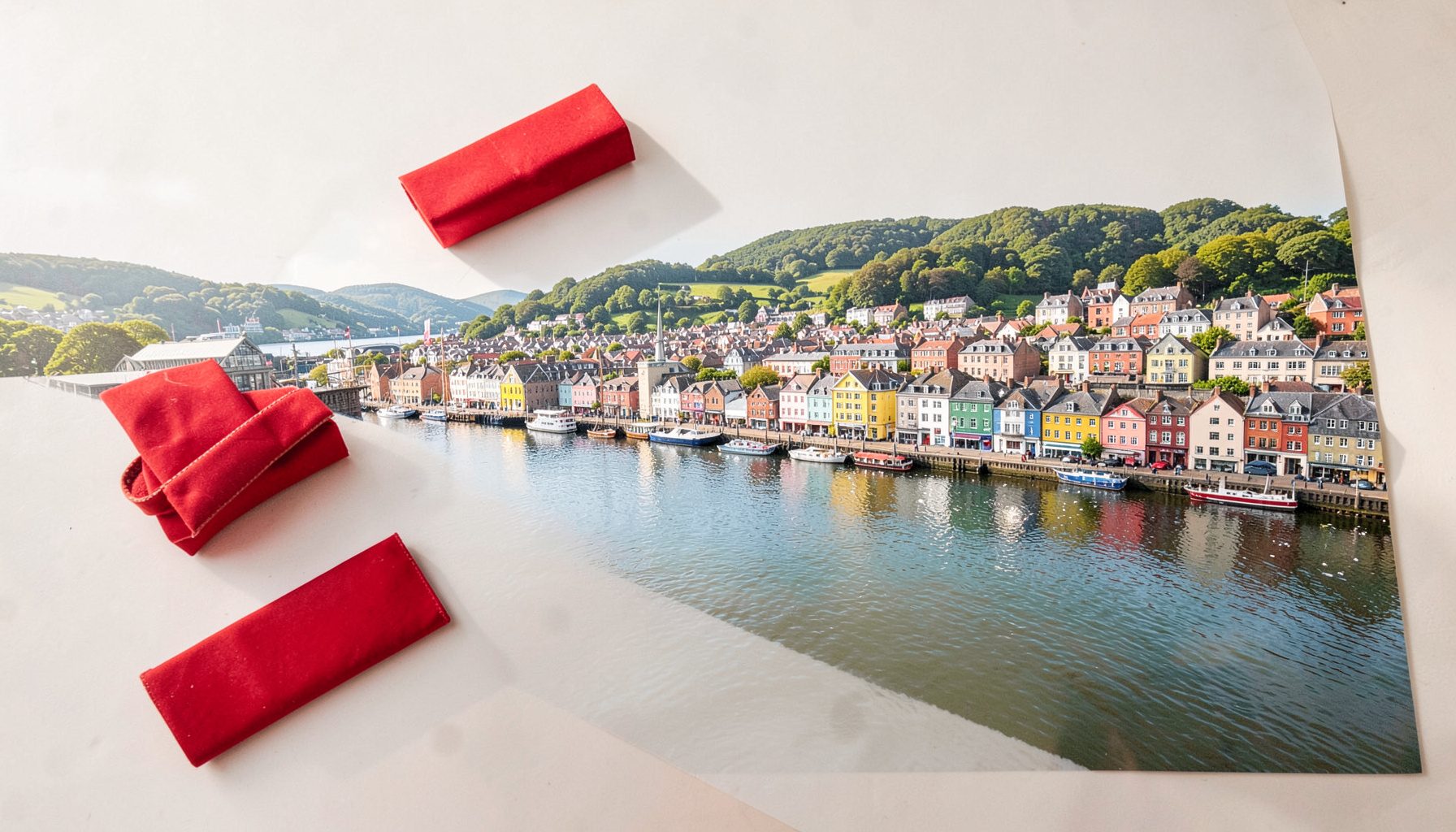
Beyond Campus
Cork and its surroundings rewarded those who ventured further afield. The city's compact centre made it easy to explore on foot, while the wider region offered dramatic landscapes and historic sites.
The Old Midleton Distillery
A short journey east of Cork city, the Old Midleton Distillery offered a fascinating look at the heritage of Irish whiskey-making. The restored 18th-century buildings and working waterwheel drew visitors interested in both history and craftsmanship.
Outside of Cork
For delegates with extra time, the Wild Atlantic Way stretched along Ireland's western seaboard, offering some of Europe's most dramatic coastal scenery. Closer to Cork, Discover Ireland provided inspiration for day trips to the Lakelands and beyond.