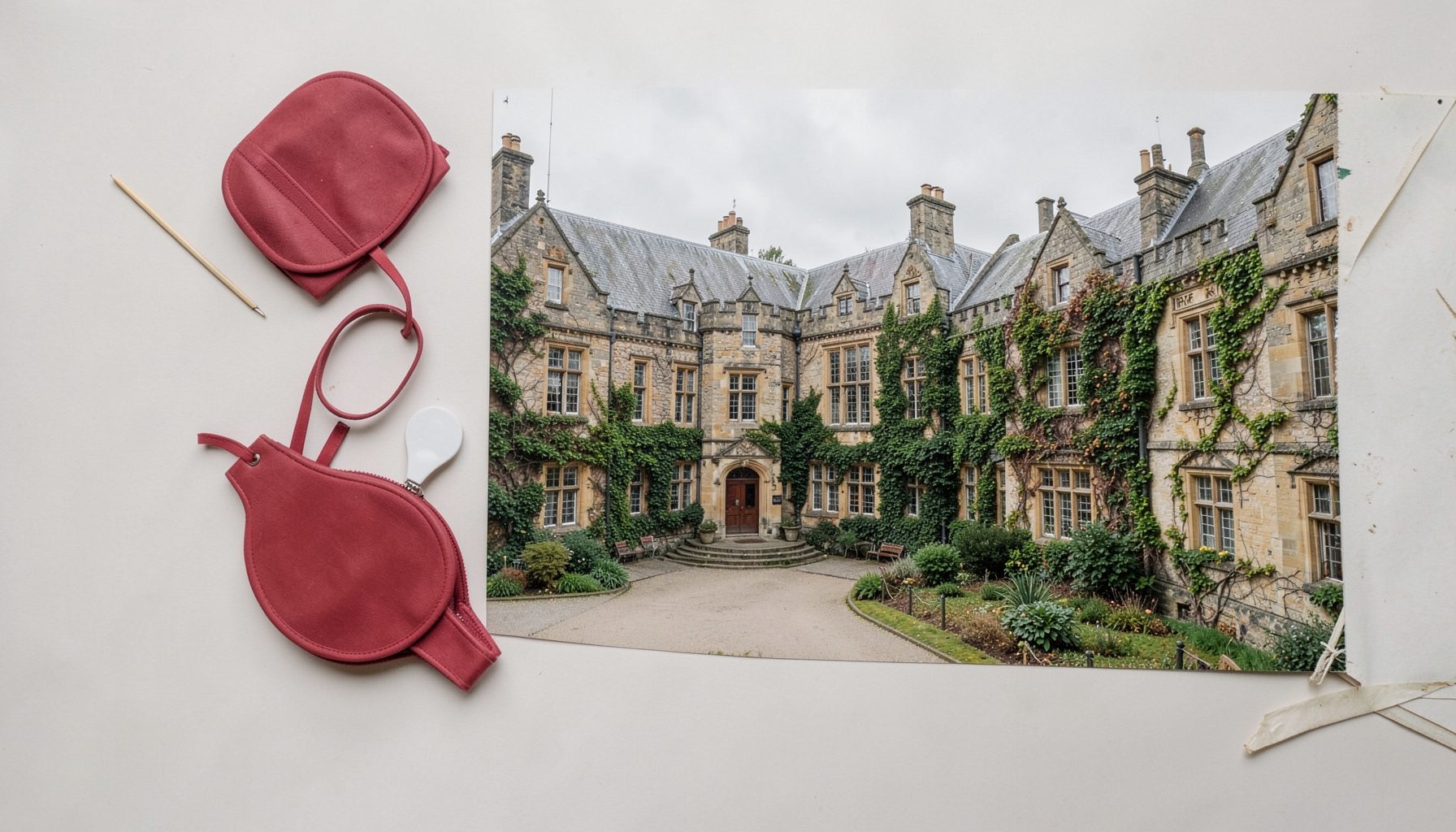
University College Cork (UCC) served as the host institution for the EASR 2022 conference. Founded in 1845, UCC is one of Ireland's oldest universities and a world-renowned centre for research and teaching. Its campus blends striking 19th-century limestone architecture with modern academic facilities, set in the heart of Cork city.
The historic campus of University College Cork provided a fitting backdrop for the EASR 2022 conference, where scholars from across Europe and beyond gathered to explore the academic study of religions. Attendees moved between lecture halls and seminar rooms that blended nineteenth-century character with modern facilities, fostering an atmosphere of collegial exchange. The university's long tradition of research and teaching created a natural home for the multi-disciplinary discussions that define the European Association for the Study of Religions, as participants engaged with diverse methodological approaches and theoretical perspectives throughout the week-long programme.
Cork city itself offered conference-goers a vibrant cultural experience alongside the academic proceedings. Known for its welcoming atmosphere and rich musical heritage, the city provided ample opportunities for informal conversations to continue beyond the formal sessions. The conference theme resonated with the local setting, as Ireland's history of religious diversity and transformation offered a meaningful context for scholarly reflection. Evening receptions and social events allowed attendees to sample the famed hospitality of the region while building the international collaborations that lie at the heart of the association's mission.
The conference programme featured a wide array of panels, roundtables, and individual papers covering the breadth of religious studies scholarship. Participants addressed topics ranging from textual traditions and ritual practices to contemporary questions of secularism, migration, and identity. The European dimension of the gathering ensured that comparative perspectives enriched every discussion, with scholars drawing on case studies from across the continent and beyond. This intellectual diversity reflected the association's commitment to fostering rigorous, non-confessional inquiry into the complex phenomenon of religion in human societies.
Beyond the formal programme, the conference served as a vital forum for emerging scholars to present their work alongside established researchers. The inclusive atmosphere encouraged constructive dialogue across career stages and disciplinary boundaries, strengthening the networks that sustain the field. For many attendees, the connections forged during these days in Cork continued to shape their research collaborations long after the conference concluded. The success of the gathering underscored the importance of regular international meetings for advancing the academic study of religions in an increasingly interconnected world.
A Historic Campus
UCC's main quadrangle, completed in 1849, is a fine example of collegiate Gothic architecture. The campus is home to the Lewis Glucksman Gallery, an award-winning contemporary art space, and the Crawford Observatory, a restored 19th-century astronomical observatory.
Study of Religions Department
The conference was hosted by the UCC Study of Religions Department, a leading centre for the non-confessional academic study of religions. The department's research spans historical, sociological, and comparative approaches to religious traditions worldwide.
Conference Venue
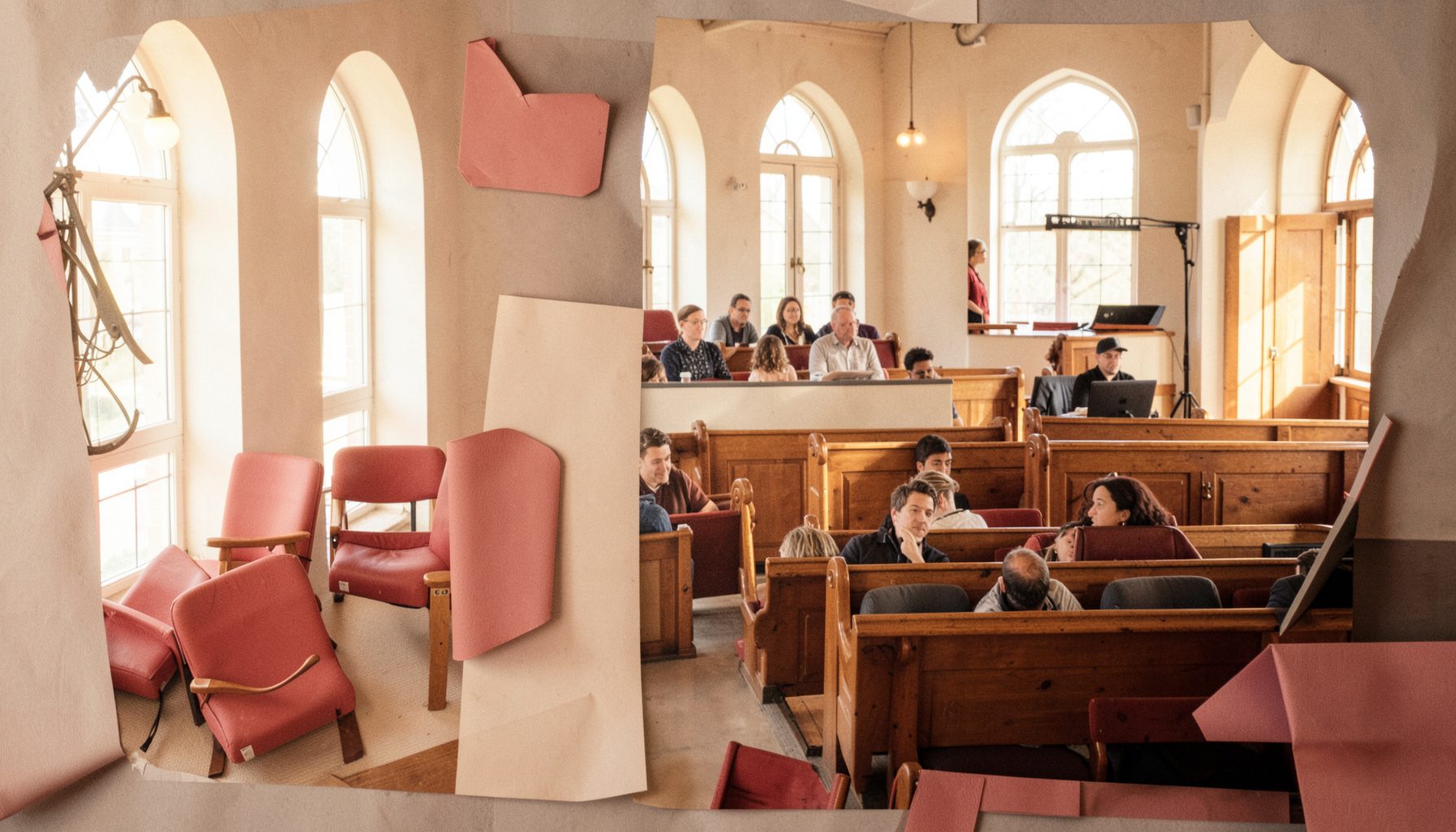
The EASR 2022 sessions were held across UCC's central campus, with keynote lectures, panel discussions, and roundtables taking place in the university's lecture theatres and seminar rooms. The campus provided delegates with easy access to Cork city centre, with its restaurants, cultural venues, and historic streets just a short walk away.
For more information about the university, visit ucc.ie.